
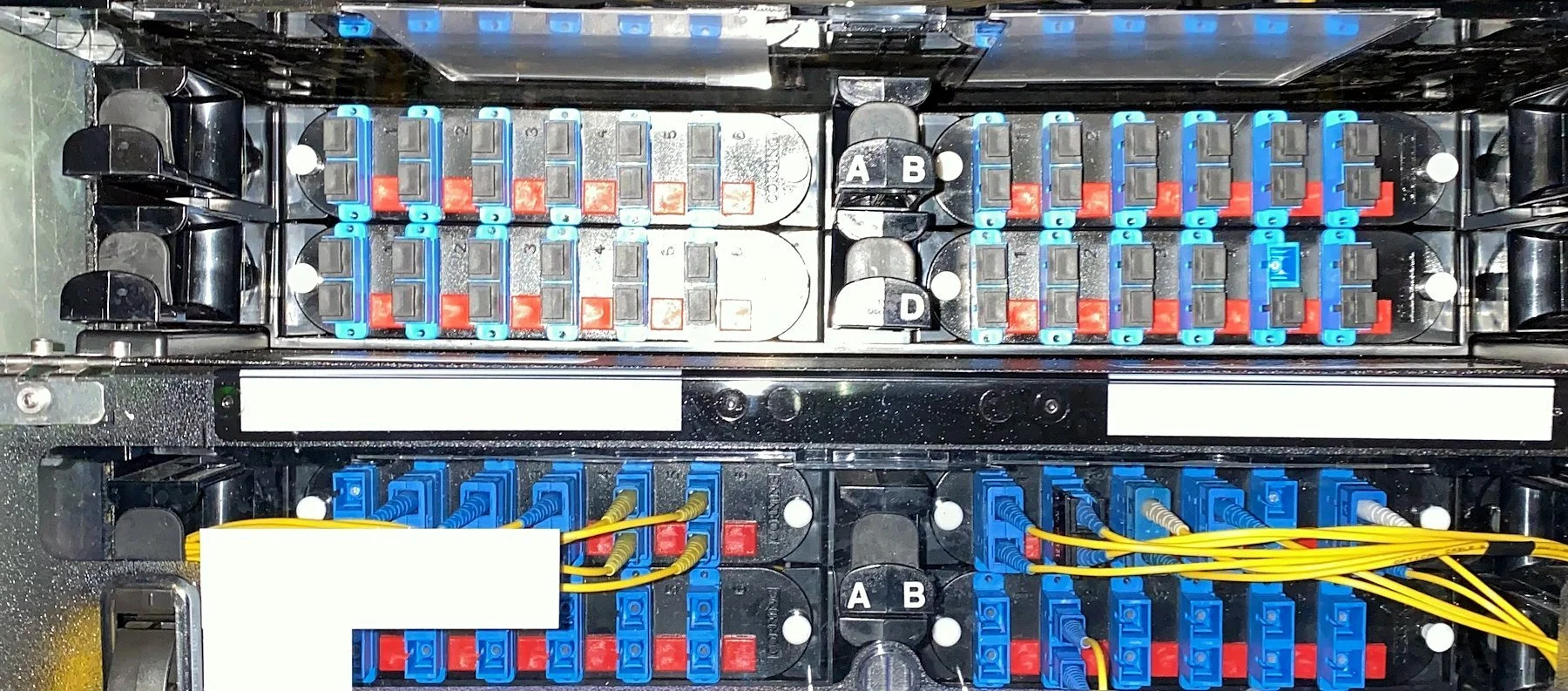
Data Center Cabling in New York
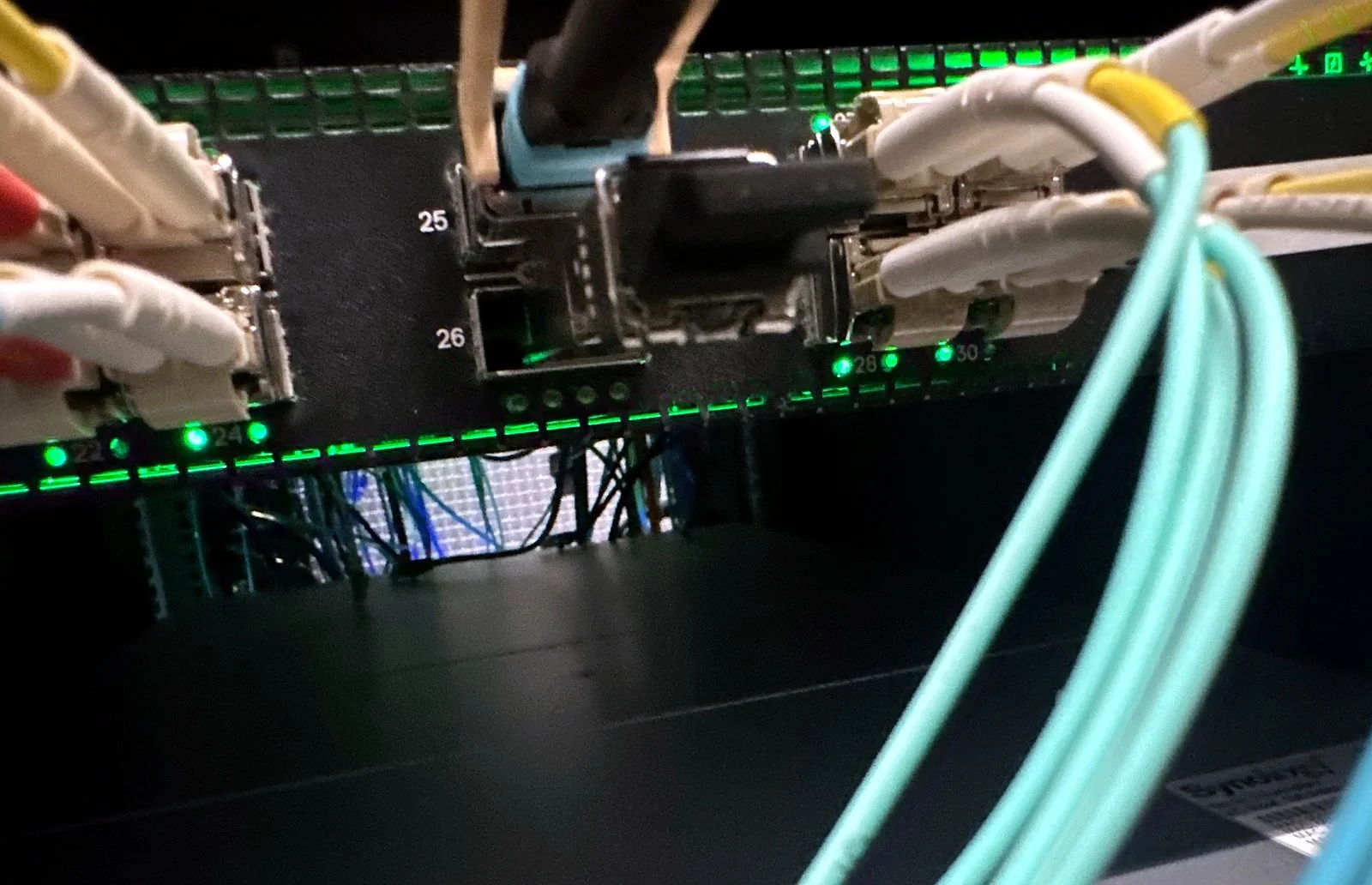
Structured Cabling Services Serving New York City, NY
Well-organized cabling infrastructure is the foundation of reliable data center performance. Core 1 IT Solutions provides structured cabling and fiber infrastructure services for data center, carrier hotel, and enterprise environments across New York City, including the most demanding cabling environments in the region.
NYC cabling work spans a wide range of contexts: structured cabling inside Midtown tenant offices, high-density colocation cabling inside 60 Hudson Street, fiber interconnection work inside 111 Eighth Avenue, and dense rack-level cabling inside enterprise data center environments throughout the boroughs. Each context has its own access logistics (COI, freight elevator scheduling, building escort procedures, after-hours windows), and Core 1 plans around them on every job.
Testing and documentation with every job
Every link we land ends the same way: on a tester, with a result. Copper certified or verified to spec, fiber inspected and tested, and the records delivered with the closeout: field notes, photos, and test results. When something flaps at 2 a.m. eight months from now, the dated result is what ends the meeting.
Division 27, self-performed
We self-perform the structured cabling scope: copper and fiber installation, termination, testing, rack & stack, cable dressing and pathway work. Conduit and permitted electrical go to a licensed electrical partner, disclosed up front. One accountable point of contact from scope to closeout.
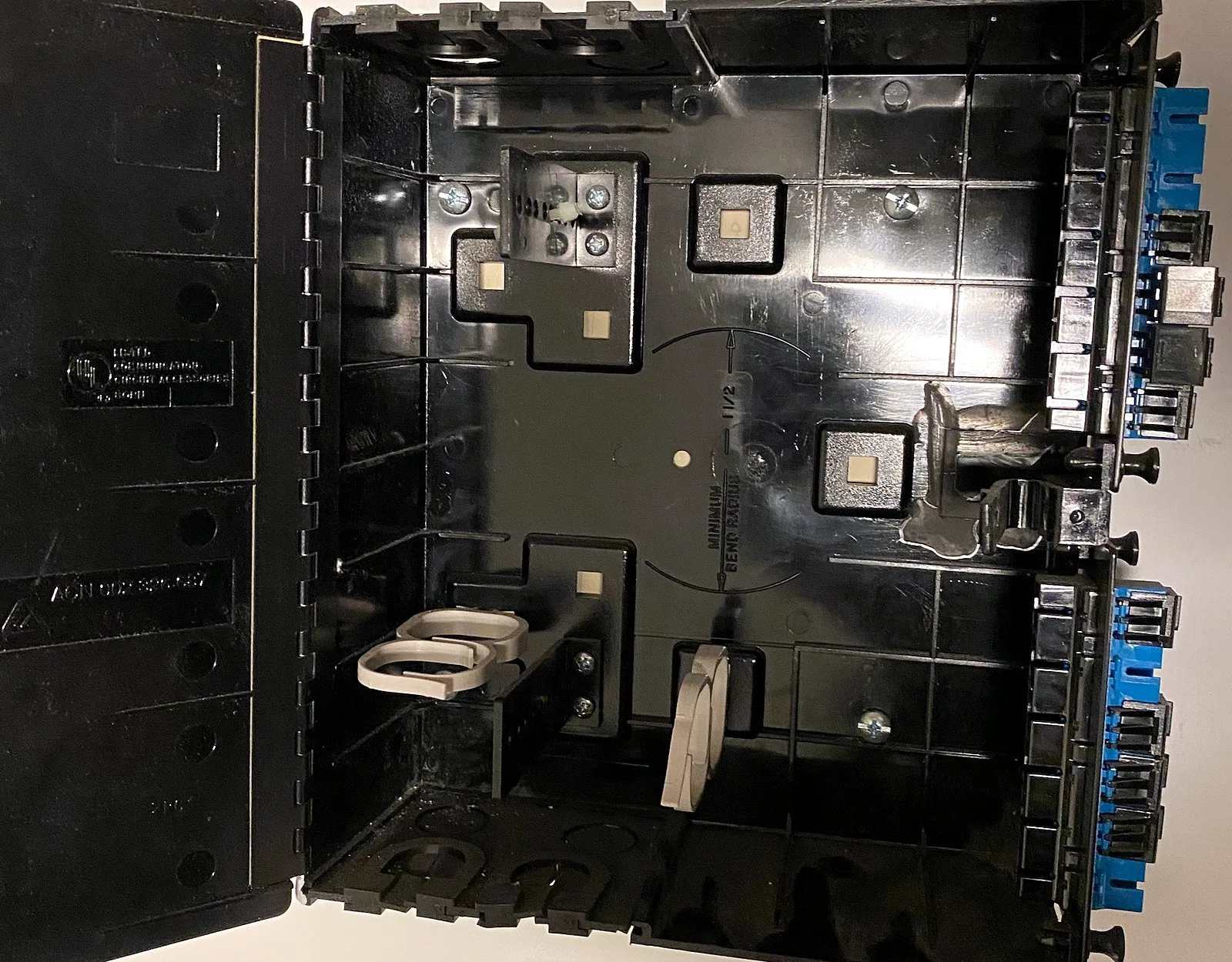
Structured Cabling Installation Support
Core 1 provides structured cabling installation support for enterprise and data center environments across NYC: cable routing, rack cabling, patch panel configuration, cable bundling, and infrastructure documentation. Cabling work inside 60 Hudson Street and 111 Eighth Avenue requires close coordination with the carrier hotel’s facility management and the specific colocation provider’s procedures.
Cable Management, Tracing, and Port Mapping
Disorganized cabling creates airflow restrictions, troubleshooting delays, and maintenance complications. Core 1 provides cable management, tracing, and port mapping services: cable identification and labeling, bundling and cleanup, rack organization, patch panel documentation, and infrastructure reporting. Documentation is provided in formats compatible with internal asset records.
Fiber Connectivity and Infrastructure Support
Fiber cabling is critical for high-speed interconnection across data center and enterprise environments. Core 1 provides fiber connectivity support (cable runs, patch panel work, connectivity testing, and documentation) for sites across NYC, including the dense fiber interconnection environments inside the region’s carrier hotels.
Structured Cabling and Connectivity Support
Enterprise environments frequently require updates to structured cabling infrastructure as equipment is added, relocated, or refreshed. Core 1 IT Solutions provides structured cabling support that helps organizations maintain organized connectivity throughout every phase of a project.
Services include cable routing, cable tracing, fiber patching, copper cabling support, infrastructure labeling, patch panel organization, rack-to-rack connectivity, documentation updates, and cable remediation. Our technicians help ensure that newly installed equipment integrates cleanly into existing network infrastructure while maintaining organized cable pathways that simplify future maintenance.
Well-organized cabling reduces operational complexity and improves visibility across enterprise environments.
Secure Hardware Decommissioning and Technology Refresh
Many infrastructure refresh initiatives involve retiring legacy equipment while introducing newer hardware into production environments. Core 1 IT Solutions supports technology refresh projects by providing professional decommissioning services for servers, storage devices, networking hardware, and supporting infrastructure.
Our technicians assist with equipment shutdown coordination, cable removal, hardware inventory validation, rack de-installation, asset documentation, infrastructure cleanup, and site preparation for new deployments.
Organizations benefit from a structured decommissioning process that supports accurate asset tracking while preparing facilities for the next phase of infrastructure deployment.
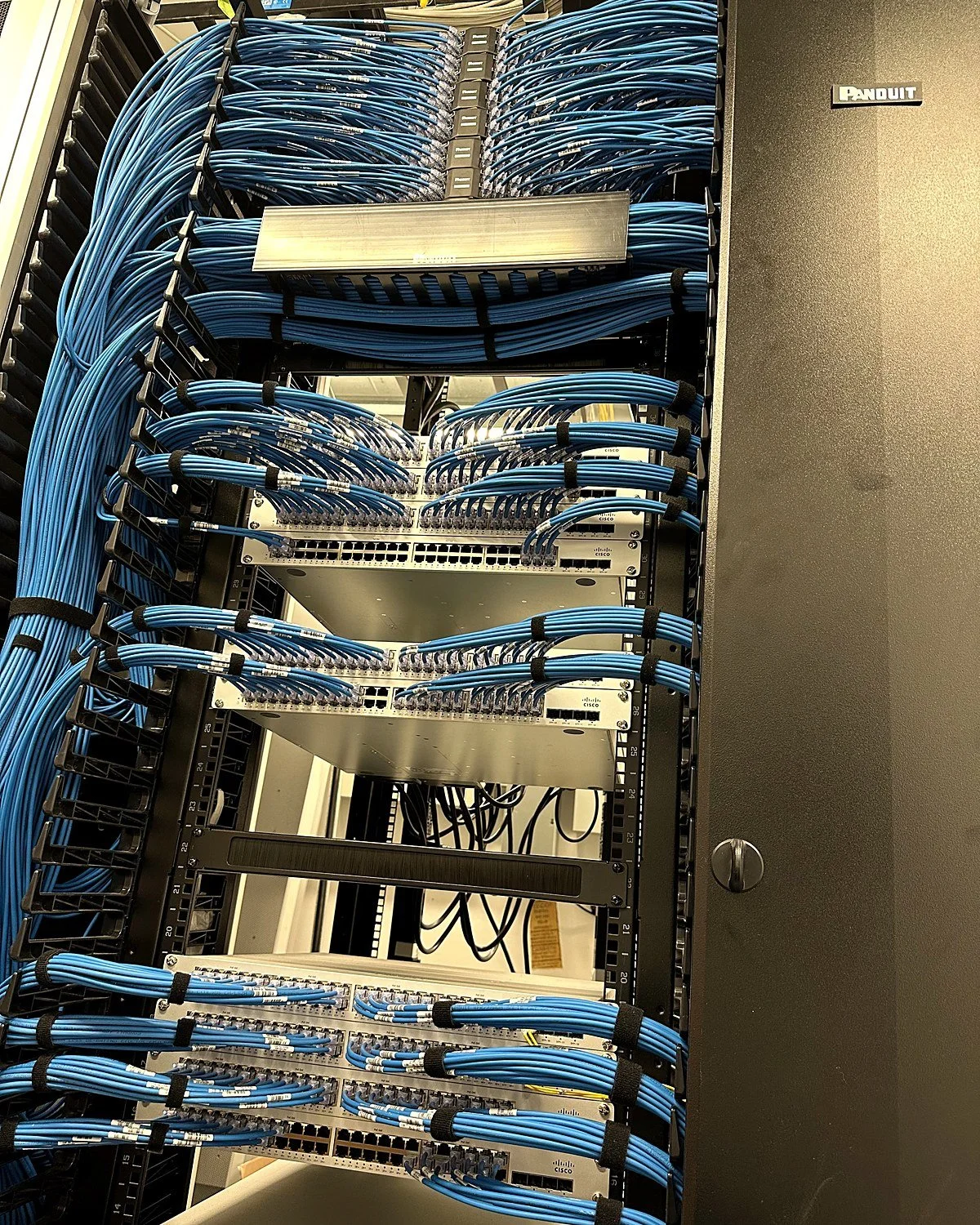
Managing New York City Data Center Logistics
Infrastructure work inside New York City requires careful coordination beyond the technical work itself. Many enterprise office buildings, carrier hotels, and colocation facilities enforce strict operational procedures before work can begin.
Core 1 IT Solutions understands the logistical challenges associated with projects inside facilities such as 60 Hudson Street, 111 Eighth Avenue, and 32 Avenue of the Americas. Our team regularly works within environments requiring:
Certificate of Insurance (COI) documentation
Freight elevator scheduling
Loading dock reservations
Visitor authorization procedures
Security access coordination
After-hours maintenance windows
Building management approvals
Equipment delivery coordination
Understanding these operational requirements helps organizations avoid unnecessary delays while keeping cabling and infrastructure projects on schedule.
Supporting Cabling and Decommissioning Across New York City
Core 1 IT Solutions supports enterprise organizations, financial institutions, healthcare providers, telecommunications companies, managed service providers, cloud providers, colocation operators, and mission-critical facilities throughout New York City and the surrounding metropolitan region.
What differentiates our New York City services is our understanding of both enterprise technology infrastructure and the unique operational requirements associated with working inside some of the nation's busiest carrier and data center environments. In these buildings a cabling project lives or dies on coordination, planning, documentation, and knowing the access procedures each facility enforces.
Whether your organization requires structured cabling installation, fiber connectivity support, cable management and port mapping, or secure equipment decommissioning, Core 1 IT Solutions provides skilled field engineering professionals capable of supporting complex infrastructure work from planning through documented closeout. That includes enterprise tenant suites in Midtown, the carrier hotels at 60 Hudson Street and 111 Eighth Avenue, and data center environments across Brooklyn and Long Island City.
Frequently Asked Questions
Have questions about our field IT services and on-site technical support? Explore our frequently asked questions to learn more about Core 1 IT Solutions, our service process, infrastructure support, emergency assistance, and how we help businesses maintain reliable and efficient IT operations.
-
Core 1 provides structured cabling installation support, cable routing and rack cabling, patch panel configuration, cable tracing and labeling, port mapping, fiber connectivity support, cabling audits, and infrastructure documentation for data center, carrier hotel, and enterprise environments across New York City.
-
Yes. Core 1 supports copper structured cabling and single-mode and multimode fiber work, including terminations, patch panel work, connectivity testing, tracing, and documentation.
-
Yes. Our technicians regularly work within New York City’s major carrier hotels and colocation facilities, including 60 Hudson Street and 111 Eighth Avenue, coordinating COI documentation, freight elevator scheduling, loading dock access, visitor authorization, and after-hours maintenance windows.
-
Yes. Every engagement includes cable run documentation, port mapping, patch panel records, and rack documentation, provided in formats compatible with internal asset management records.
-
Yes. Core 1 handles secure server and equipment decommissioning along with cabling remediation. That covers hardware removal, cable disconnection, rack de-installation, asset tracking, cleanup, and documentation.
-
Yes. Core 1 supports projects spanning multiple Manhattan buildings and cross-borough sites, coordinating COI, freight access, and scheduling separately for each location.